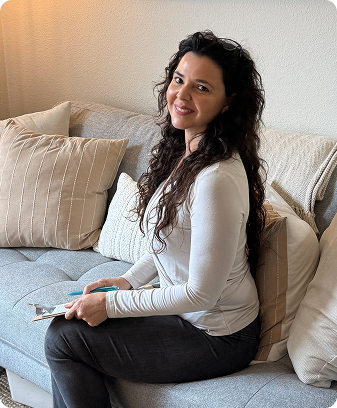

“I want to tell my partner that I want to open our relationship, but I’m afraid of how they will react.”
This is a concern I hear often as a certified sex therapist and couples counselor in Austin, TX. And maybe you’ve thought it yourself, even if you’ve never said it out loud. Exploring non-monogamy can bring up fear, curiosity, guilt, and desire all at the same time.
That’s why I want to talk about this from a real-life perspective. This article will share examples that reflect what many couples who come into my consulting room experience every day.
The stories are universal, but are based on couples in cities like Austin, where people are willing to try new things, there is entrepreneurial energy and that youthful vibe to rise if it works for them.
Why Do Some Couples Consider Having A Non-Exclusive Relationship?
It’s not always about ‘problems’ in the relationship. Many times, it comes from curiosity, wanting to break the routine, or navigating differences in sexual desire. Some common scenarios I see:
- A couple that’s been together for years and feels the passion fading.
- One partner has a higher sexual drive and wants to explore without leaving the person they love behind.
- Both partners are curious about discovering new forms of intimacy and connection.
Opening the relationship doesn’t mean your marriage is suffering or that something is wrong with it. Often, it reflects a desire to care for what already exists while consciously and respectfully making space to explore each person’s desires.
Just the other week, a couple told me how the conversation started for them. They had dinner at a cozy spot on South Congress, a glass of wine in hand, and one of them nervously said, “What if we tried opening things up?” Later that night, they went dancing on Rainey Street.
While on the dance floor, an opportunity to explore came up. One partner felt excited, while the other was overcome with nervousness. What had sounded like a good idea at the beginning turned out to be a whole different story, leaving them wondering, “How are we going to make this happen?”
I see situations like this often in therapy. The process involves slowing things down, talking honestly, and discovering new ways of relating that feel safe and authentic for both partners.
What Does Opening A Relationship Really Mean?
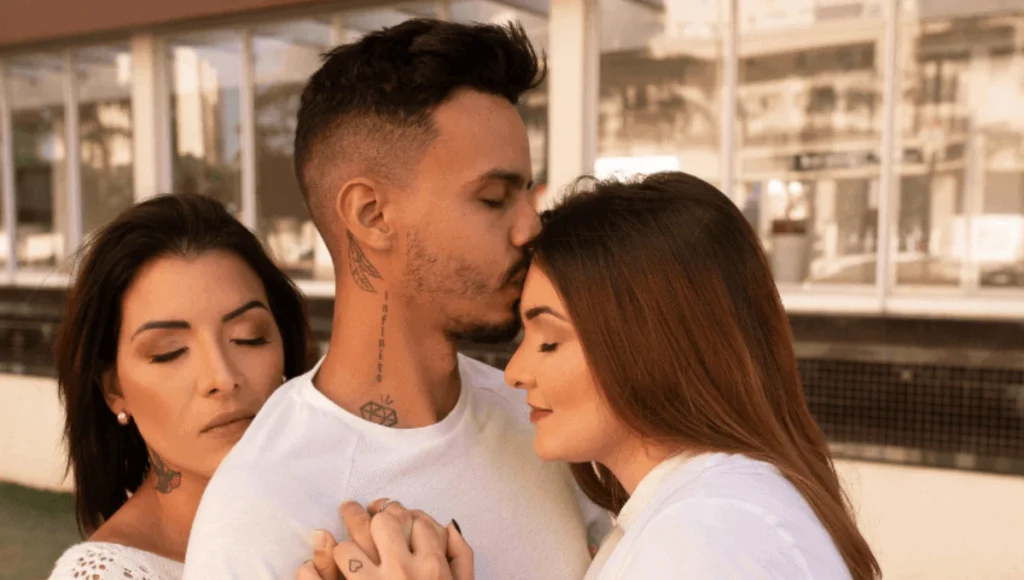
Consensual non-monogamy (CNM) involves a clear agreement to maintain the primary bond while exploring sexual or emotional experiences outside the partnership. The key difference from infidelity is transparency: clear communication, mutual respect, and defined agreements.
These non-exclusive relationships can take many forms: casual encounters, romantic connections with others, or even exploring polyamory at different levels. Some couples identify with terms like ethical non-monogamy (ENM), monogamish (mostly monogamous with some flexibility), swinging, or polyfidelity (a closed group of partners who only engage with each other).
In every case, the foundation is the same: trust, honesty, and respect, because you choose how to live it.
When Can Opening A Relationship Be Helpful?
I have observed that practicing consensual non-monogamy (CNM) can be healthy when:
- A solid foundation of trust and commitment exists.
- Communication is open, and both partners feel safe expressing desires and boundaries.
- Motivation is positive: curiosity, personal growth, and exploration not an attempt to escape deep-seated problems.
- The couples have a healthy way of managing different attachment styles.
Recommended: An excellent book for managing attachment anxiety is Polysecure. Source: https://www.amazon.com/Polysecure-Attachment-Trauma-Consensual-Nonmonogamy/dp/1944934987
When these conditions are present, many couples discover that their primary bond strengthens, intimacy deepens, and they learn more about themselves and each other.
Many of my partners say that the level of communication is much better than it has ever been.
When Is It NOT Advisable?
There There are warning signs that shouldn’t be ignored:
- Wanting to try non-exclusive arrangements as a patch for unresolved communication problems or resentment.
- Instead of proposing, you accept consensual non-monogamy (CNM) out of fear of losing them, or because you feel you have no choice.
- When intense jealousy, deep insecurities, or unprocessed betrayals exist.
- If one partner is unsure or unwilling to explore.
In these cases, opening the relationship usually creates more conflict and pain than freedom and growth.
Challenges And Opportunities That Arise From A Polyamorous Marriage Relationship
Opening a relationship isn’t necessarily hard, but it can be complex, because it involves more elements to consider in the equation.
Common Challenges:
- Jealousy and insecurity: fear of losing your partner is very normal. In therapy for open relationships, I help couples understand that jealousy can be part of the process, and how to care for themselves and their partner at the same time.
- Different expectations: what one wants may not match what the other desires.
- Time and attention management: balancing the primary relationship with new external connections.
Opportunities:
- Greater communication: learning to talk about desires, fears, and boundaries without judgment.
- Self-discovery: understanding what ignites your desire and how to express what you want.
- Renewed intimacy: exploring new ways of connection and pleasure without compromising the primary relationship.
How Can Therapy Help With Tension Or Insecurity About Opening A Relationship?

As a certified sex and couples therapist, I guide people who want to explore this option safely and consciously. Therapy can provide:
- A safe space to process intense emotions: jealousy, fear, anxiety.
- Tools to establish clear and healthy agreements.
- Guidance to maintain intimacy and long-term commitment.
- Boundaries that need to be in place to feel safe and secure when exploring consensual non-monogamy.
My therapy sessions aren’t about telling you what to do or pushing you in one direction. They’re about giving you a grounded, compassionate space to understand yourself and your partner better.
Practical Steps For Couples Considering A Non-Exclusive Relationship
- Individual reflection: What motivates the openness, desire, curiosity, frustration?
- Open conversations: Talk without fear about expectations, boundaries, and fears.
- Define clear agreements: What’s allowed, how it’s communicated, and what boundaries cannot be crossed.
- Review and adjust: Agreements are dynamic, not rigid.
- Seek professional support: Counseling or specialized therapy can make a real difference.
Opening A Relationship With Awareness And Ccare
Opening a relationship is not about following trends or doing what others expect, it’s about creating a love that feels true to you.
When there is awareness, care, and respect, relationships can expand in ways that bring more intimacy, more honesty, and more freedom. And even if the journey feels uncertain, know this: you are allowed to build the kind of relationship where both your heart and your desire can fully belong.
The key is making conscious choices, communicating clearly, and setting boundaries that honor everyone involved.
For over 20 years, I’ve supported individuals and couples in improving their intimate lives and relationships. I am a licensed psychologist in Costa Rica and a counselor in Texas.
As an AASECT-certified sex therapist, I uphold high ethical standards while always respecting each person’s cultural and religious values.
My approach blends scientific knowledge with traditional practices like Tantra and Taoism, fostering deeper connections and more fulfilling experiences.
I invite you to schedule a free consultation and give yourself a therapeutic space to gain clarity, emotional support, and tools to make decisions from love, not fear.