



Table of Contents
Recognize the First Signs and What You Can Do from the Start
There’s a lot of talk about menopause but when it actually arrives, no one tells you exactly what to do. Suddenly your cycle changes, your energy feels different, and your body starts speaking a language you don’t recognize. You wonder: “Is this it? Has it started? What do I do now?”
If you’re reading this, you’re probably right there: your body is sending signals, but you’re not clear on what they mean or what steps to take. And trust me, you’re not alone.
As a therapist and specialist in sexual and couples’ health here in Austin, I’ve supported many women through this stage, and I want to tell you something from the very beginning: menopause is not an ending. It can feel challenging, yes but it’s also the doorway to a “second awakening,” where your wisdom, energy, and creativity transform in ways you may not have expected.
How Do I Know If I’m Beginning the Transition to Menopause?
Menopause doesn’t happen overnight, it’s a process. It begins with perimenopause, when your body starts producing less estrogen and hormonal changes slowly begin.
Some signs you might notice:
- Your cycles change (shorter, longer, or skipped).
- Sleep isn’t as restorative; maybe you wake up multiple times at night.
- You feel brain fog or struggle to concentrate, as if your head is “full of cotton.”
- Vaginal dryness or changes in your sexual desire.
- Your emotions feel like a rollercoaster with no clear explanation (yes, like when you were a teenager).
If any of these resonate, it doesn’t mean something is “wrong” it means your body is showing you it’s entering a new chapter.
The 5 Stages of Menopause (and What to Expect After 40)
- Premenopause: fertile years before any hormonal changes.
- Perimenopause: fluctuating hormones and first symptoms.
- Menopause: confirmed after 12 consecutive months without a period.
- Early postmenopause: first 5 years after, when symptoms like hot flashes and sleep changes are strongest.
- Late postmenopause: stabilization stage, when health risks (heart and bone) need more attention.
Understanding these stages can help you make informed decisions about your physical and women’s sexual health rather than feeling surprised by changes in your body.
Real Story of Perimenopause: When Your Body Starts to Change
A patient recently shared this with me:
“One month my period disappeared completely and I thought, ‘That’s it, it’s over, this must be menopause.’ I felt strange, like I had crossed a line I wasn’t ready for. But the next month it came back… and not just back, but heavier and more chaotic than ever. That’s when I felt confused, even angry at my body: What’s happening? Why can’t it make up its mind?”
That experience is much more common than you think. During perimenopause, your cycle doesn’t just stop suddenly it comes and goes, shifts rhythm, arrives early or late. That back-and-forth can feel unsettling, because just when you think “menopause has arrived,” your body surprises you with something different.
What’s important to understand is: your body isn’t “going crazy.” It’s in transition. Yes, it can feel confusing, but it’s also a sign that your hormones are adjusting and that you need patience, care, and support.
At What Age Do Symptoms Usually Start?
There’s no magic number, but most women start noticing changes between ages 40 and 45. Some even earlier, in their late 30s. This is perimenopause, when hormones start dropping little by little.
Maybe your cycles get irregular, you wake up drenched at night, or your mood shifts for no reason. This doesn’t mean your fertility has ended; it means your body is entering transition.
And here’s something important: if you’re between 35 and 50 and notice your libido dropping, you feel more tired than usual, or your brain feels foggy that too can be part of perimenopause.
The good news: it can be balanced. Lifestyle changes, the right medical support, and simple tools like safe lubricants for dryness can make a big difference. These changes are common, but they don’t have to limit your pleasure or your connection with yourself and your partner.
Menopause itself, the last menstrual period typically arrives around age 51. But every body has its own rhythm. That’s why instead of obsessing over an exact age, what matters most is listening to your body and paying attention to those early signs.
What to Do (and Not Do) When Menopause Begins
You’re probably wondering: “Okay, I know what’s happening… but what do I do with all of this?” Here’s what helps and what to avoid:
Do:
- Move daily: walk, dance in your living room, do yoga, or light strength training all of it protects your heart and bones.
- Eat mindfully: fruits, vegetables, clean proteins, legumes, healthy fats. Foods rich in phytoestrogens (flaxseed, soy) can help support hormonal balance.
- Prioritize rest: deep sleep is medicine for your nervous system. Avoid screens before bed and create calming rituals.
- Manage stress: meditation, breathwork, journaling, or neighborhood walks aren’t luxuries, they’re allies.
Don’t:
- Ignore symptoms and think they’ll “just pass.” Your body is speaking and needs attention.
- Overdo alcohol: it worsens hot flashes, disrupts sleep, and stresses your heart.
- Use drugs or substances that disrupt your hormonal or nervous system.
- Push yourself as if nothing’s changing. Menopause calls for new rhythms not more pressure.
Focus on what you can control: movement, food, rest, and how you care for your body today. Every small step is an investment in your health and vitality for the future.
Risks and Preventive Health During Postmenopause
Beyond visible symptoms, menopause brings health risks we need to take seriously:
- The leading cause of death in postmenopausal women is (source: CDC)
- Lower estrogen levels affect bone density, increasing risk of osteoporosis. (Source: NIH)
- Vitamin D deficiency becomes more common, weakening bones and immunity. (Source: NIH)
This isn’t to scare you, it’s to remind you that caring for your heart and bones now is an act of love for your future self.
Resources and Recommendations for Midlife Wellness
If you want to go deeper, I recommend two excellent books:
- Estrogen Matters by Avrum Bluming and Carol Tavris
- The Menopause Brain by Lisa Mosconi
And if you’re here in Austin and the surrounding areas, remember you don’t have to go through this stage alone. Therapy can be a safe space to talk about identity, self-esteem, desire, your relationship, and even new life projects during menopause.
A Closing Word for You
Menopause is not the end of your vitality. It’s a new chapter full of possibilities where you can rediscover your inner strength and embrace a new kind of femininity.
You’re not alone. With the right medical, emotional, and spiritual support, you can live this transition for what it truly is: a profound awakening into your wisdom, your power, and your authentic life.
I invite you to schedule a session with me. Give yourself the chance to gain clarity, support, and tools to move through this stage with confidence, health, and fullness.
If you are in Austin or Texas, schedule a free 15-minute consultation today. On that call, we can chat about your specific need and concerts and come up with a plan.
About the author
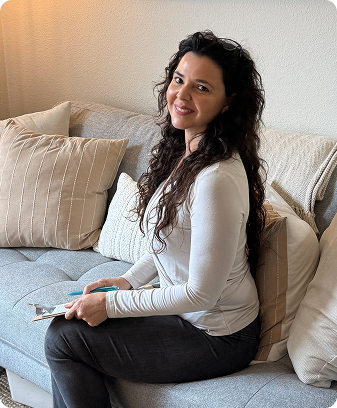
Vielka Kano
For over 20 years, Vielka Kano, a Licensed Psychologist in Costa Rica and Counselor in Texas, has specialized in relationships and sexuality helping individuals and couples enhance their intimate lives. As an AASECT Certified Sex Therapist, she adheres to high ethical standards and respects diverse cultural and religious values.
Vielka’s successful work combines scientific knowledge with traditional practices like Tantra and Taoism, fostering deeper connections and enriching experiences. She has been featured in Women’s Health, on Telemundo, and the TV show ’90 Day Fiancé.
Meet Vielka Kano
I’m a therapist, yoga instructor, Tantric practitioner, and avid meditator. I am someone who deeply values presence, connection, and authenticity. I’ve always been a bit of a nerd, consistently at the top of my class, with degrees from universities in multiple countries.
In-person therapy in Austin, TX
Starting therapy can feel vulnerable, specially when it comes to something as personal as sex. But it’s really about creating space to explore, understand, and reconnect, with yourself, and with your partner. It’s time to get the support you deserve.
Latest Posts




More Topics
Low libido or Differences in Desire
Yes. Frequent arguments often indicate deeper issues. Therapy provides tools to understand and resolve these conflicts.
Erectile Dysfunction (ED)
It’s common for one partner to be more ready than the other. Starting therapy can still be beneficial and may encourage your partner to engage.
Painful Intercourse
Every therapeutic experience is different. Our approach focuses on practical strategies tailored to your unique situation.
Premature Ejaculation (PE)
Mental health challenges like anxiety or depression can impact communication and intimacy. Addressing these issues individually and as a couple can strengthen your relationship.
Communication issues
Techniques like active listening, using “I” statements, and setting aside dedicated time for discussions can enhance understanding and connection. Emotional regulation is key for using communication tools.
Exploring Open Relationships
Recognizing each other’s communication preferences helps in adapting and responding effectively, fostering a more harmonious relationship.
Repair After an affair
Couples therapy involves working with a trained therapist to address relationship challenges, improve communication, and strengthen your bond.
Menopause
Couples therapy involves working with a trained therapist to address relationship challenges, improve communication, and strengthen your bond.
Recommendations
Couples therapy involves working with a trained therapist to address relationship challenges, improve communication, and strengthen your bond.
Other topics
Couples therapy involves working with a trained therapist to address relationship challenges, improve communication, and strengthen your bond.